
How to Prepare for Your U.S. Embassy Interview

A U.S. visa interview is often the most decisive moment in the entire process. In just a few minutes, a consular officer evaluates whether your application is consistent, whether you meet the requirements for the visa you’re requesting, and whether your information is credible and can be verified.
To prepare for a visa interview, you don’t need to memorize a script. You need to show up with a clear explanation, with no contradictions compared to your DS-160, with the essential documents ready, and with a calm, straightforward, respectful attitude.
In this guide, you’ll learn what a consular interview is like, what to bring to a U.S.visa application interview, the most commonU.S. embassy interview questions, and what outcomes you may face after the interview.
If you’ve never applied before, check out our article on the US Visa Process: Steps to Apply for the First Time.
What the U.S. Embassy/Consulate Interview Is
Consular interview is usually a short conversation at a window. The officer’s role isn’t to be “convinced” by long speeches. Their role is to determine whether your request matches the visa category and whether your story aligns with what you declared.
That’s why consistency is the main focus: your purpose of travel, timeline, finances, personal situation, and the reasons you will return to your home country after your visit, studies, or authorized work—depending on your case. Many Immigration interview questions exist specifically to test that consistency.
Even though people say “U.S. embassy interview,” in many countries you attend at a U.S.embassy/consulate. Practically speaking, the process is very similar: security screening, lines, basic data checks, and the interview itself. What matters is being ready to explain your purpose clearly in just a few seconds.
The interview is often short because the officer already has your information in the system and follows specific criteria.
The key is giving direct answers that match your DS-160. Decisions are usually based on fast signals: a reasonable travel purpose, a simple and understandable plan, funds that make sense without contradictions, and home country ties that make your return believable.
Your travel purpose is the backbone of everything. A tourist visa is not the same as a student visa or a work visa. Each has different requirements—and differentU.S. visa interview questions. Your preparation should start with your exact visa category so your plan fits what the visa allows.
Before Your Appointment: Must-Do Steps to Show Up Fully Prepared
Many denials or issues don’t happen “because of the interview” itself, but because of weak preparation before the appointment. If you show up with incomplete information, DS-160 errors, or without your confirmation, you’re setting yourself up for unnecessary complications.
Start with your DS-160. Your DS-160 is the foundation of your visa interview, and manyU.S. embassy interview questions come directly from it. The most common mistakes involve inconsistent dates, job history, income, previous travel, addresses, or contact information.
Another typical issue is writing something vague about your purpose of travel and then describing something different during the interview.
Your priority should be making sure everything you declared is accurate, consistent, and easy to defend with a short answer. If you are asked a question during the interview, your best answer is the one that matches your DS-160 and stays within your visa category.
Before you leave home, confirm you have the correct appointment details and any required receipts. In many countries, you’ll need to confirm your appointment in the system, and you may need proof of payment (often the MRV visa fee, depending on visa type and country).
You should also keep your appointment confirmation letter accessible.
Double-check your visa interview date,visa interview time, and the exact location. Many posts restrict personal items, so review entry rules in advance. Showing up without confirmation—or with incorrect details—can prevent entry or delay your process.
Being late is one of the worst ways to start. Plan your commute with extra time, identify the exact interview location, and account for delays. Don’t assume parking will be easy or that entry will be quick. If your appointment is early, organize everything the night before so you’re not rushing last-minute.
In some countries, before or after the interview at the U.S. consulate, you may need to visit a Visa Application Center for biometrics (fingerprints) and a photo, or for passport logistics. Follow your country’s appointment system instructions so you know what to bring and what order to follow.
What to Bring to a U.S. Visa Interview: Document Checklist
A key part of understanding what to bring to a U.S. visa interview is realizing that consular officers usually decide based on your interview and what they see in the system—not on a huge folder of paperwork.
Still, you should bring the essentials and, when appropriate, organize supporting documents in case they ask.
At minimum, bring:
- A valid passport
- Your DS-160 confirmation page
- Your appointment confirmation letter
- Any receipts or documents required by your country’s system (including MRV fee proof if applicable)
Make sure your passport is valid and in good condition. If you have older passports with relevant visas or stamps (for example, previous travel), bring them too. It’s not to “impress” anyone—it’s to answer accurately if the question comes up.
Supporting documents are meant to back you up only if the officer requests them. Keep them neat, easy to access, and limited to what’s truly relevant.
A practical rule: bring proof only for what you claim. If you state you’re employed, bring reasonable evidence. If you state you have funds, bring reasonable evidence. If you state you’re studying, bring reasonable evidence. Avoid unrelated paperwork.
For financial questions, your supporting documents may include proof of financial support, such as bank statements, pay stubs, or sponsorship evidence—only if your situation requires it and only to support what you already declared.
Requirements vary depending on your visa category. For a tourist visa, the officer will typically weigh your purpose of travel, length of stay, and funds, along with your ties to your home country.
For a student visa, academic consistency, the institution, and your financial capacity are often central. For a work visa, the officer will look for consistency with your authorization and the type of permitted activity. The key is that your documents and your explanation are aligned with the visa type.
Finally, be aware of logistics. Some posts require courier registration for passport return. If this applies in your country, complete it early so your passport delivery doesn’t get delayed.
What the Visa Interview Is Like: What Happens on Appointment Day
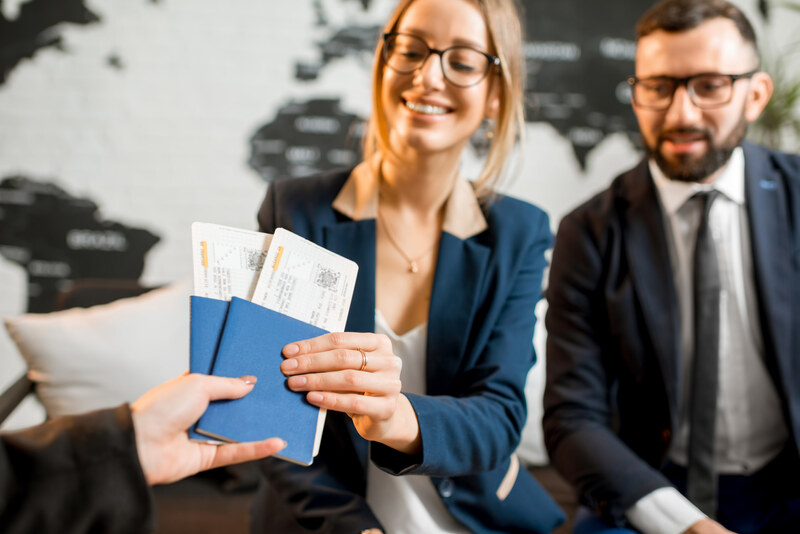
Knowing what to expect helps calm nerves. The process is usually more logistical than “dramatic”: you arrive, go through security, wait, submit basic documents, and answer short questions. The U.S. embassy interview typically happens at a window, with limited time and direct questions.
Entry and Security Screening: What to Expect
Expect airport-style security screening. Many locations don’t allow electronic devices, large bags, or metal objects. Check these rules ahead of time to avoid issues at the entrance. Bring only what you need so you can get through quickly.
Interview Length: Realistic Timing and Why It Changes
The interview is often brief—sometimes only a few minutes. It varies because some cases are simple and others need clarification. If your DS-160 is clear and your answers are consistent, the interview usually moves smoothly. If there are doubts or inconsistencies, the officer may ask more questions—or deny quickly.
Interview Language: Spanish or English
In many countries you can do the interview in Spanish, though it depends on the location and availability. If your case requires an interview in English, don’t try to “show off.” Focus on being as clear as possible. Perfect English isn’t the goal—direct, consistent answers are.
Interview Without a Companion: Common Rules and Exceptions
Being interviewed without a companion is usually the standard. In general, only the applicant is allowed to enter. Exceptions may exist for minors or people with specific needs, depending on the post’s rules. Check in advance so you don’t get turned away for arriving with someone.
Interview Waiver: When You Might Not Need an Interview
Some applicants may qualify for an interview waiver depending on visa type, age, prior visa history, and local rules. This varies by country and by time period. If you’re told you qualify, follow the official instructions carefully and still prepare your documentation as if you might be asked for clarification.
U.S. Embassy Interview Questions: The Most Common Ones and How to Answer
U.S. embassy interview questions tend to follow predictable patterns. The officer wants to confirm your purpose, length of stay, finances, and ties. That’s why the best strategy isn’t long explanations—it’s answering in one or two sentences, staying consistent with the DS-160, and avoiding extra details that create new doubts.
Think of this section as a practical guide to US visa interview questions, US immigration interview questions, and broader immigration interview questions you may face.
Questions About Your Purpose of Travel and Itinerary
They often ask why you’re going, how long you’ll stay, which city you’ll visit, where you’ll be staying, and what you plan to do. The ideal answer is specific: purpose, duration, and a simple plan. Avoid vague ideas (“I’ll figure it out when I get there”) or overly complex plans that sound unrealistic. If your trip is tourism, a reasonable travel itinerary shows clarity.
Questions About Your Finances: How to Explain Them Without Contradictions
Money questions are meant to confirm you can pay for the trip or stay without relying on unauthorized work .Answer honestly: who is paying, where the funds come from, your employment situation, and how the expenses fit your income.
Most important: what you say should match what you reported on the DS-160. If asked, you can reference proof of financial support such as bank statements—without overexplaining.
Questions About Your Job and Home-Country Ties
This section is often crucial for nonimmigrant visas. They may ask what you do for work, how long you’ve been there, what your role involves, whether you have responsibilities, whether you’re studying, and whether you have family or commitments.
The point isn’t to deliver a speech about “strong ties,” but to describe your situation naturally and consistently. Clear answers make it easier for the officer to understand why you will return.
Some denials are issued under Section 214(b) when the officer isn’t satisfied that you qualify for the nonimmigrant visa category based on the total picture. That’s why clarity and consistency matter so much.
Questions About Relatives or Contacts in the United States
It’s common to be asked whether you have family, a partner, or friends in the U.S. Best practice is to be truthful and direct. Lying or downplaying relationships can be a serious mistake—especially if the officer already has information or later records reveal inconsistencies.
Common U.S. Visa Interview Questions: Short, Clear Answers
Frequently asked questions include: why you’re traveling, how long you’ll stay, who is paying, what you do for work, how much you earn, whether you’ve traveled before, whether you have family in the U.S., and whether you plan to stay. The most effective answer is the one that responds exactly to what’s asked, in a calm tone, without adding extra details that create new doubts.
Final Tips for Your U.S. Embassy Interview Day
The night before, prep your documents and your route. Get good rest and plan to arrive early. On appointment day, bring only what you need, keep your phone off if you’re allowed to bring it in, and stay respectful. The goal is to answer clearly—not to “convince” anyone with nervous energy or long explanations.
- What to do the night before and the day of: Recheck your appointment confirmation letter, your DS-160 confirmation page, your passport, and the exact location. Choose your outfit ahead of time and avoid rushing. A light meal and solid sleep make it much easier to control nerves.
- How to manage nerves and keep answers consistent: Breathe, listen to the full question, and answer in one or two sentences. If you don’t understand, ask them to repeat it. If you don’t know an exact detail, don’t guess. Consistency matters more than perfection.
- Final checklist before leaving home: Make sure you have your passport, DS-160 confirmation page, appointment confirmation letter, required receipts (including MRV fee proof if applicable), and any essential supporting documents neatly organized. Leave early, avoid prohibited items, and remember the interview is short: clarity, consistency, and honesty are usually your strongest allies.
At Global Express Recruiting, we can help you prepare for your visa interview with a strategy tailored to your case. We review your DS-160 to prevent inconsistencies, tell you which documents make sense to bring based on your visa type and personal situation, and practice clear, consistent answers to the most common U.S. embassy interview questions—so you walk into your consular interview with confidence.


Get in touch with us, we can help you with any visa