
Difference Between U.S. Citizenship and Permanent Residency

Understanding the difference between being a U.S. citizen and a permanent resident is essential for making smart immigration decisions. Both statuses grant rights and benefits, but the obligations, stability, and long-term opportunities differ significantly.
That’s why working with a specialized advisory service such as Global Express Recruiting is key to receiving up-to-date information and personalized guidance before starting any procedure. Professional support helps you avoid mistakes, prepare the correct documentation, and choose the path that best fits your situation, since there are different types of visas.
What It Means to Be a Citizen vs. a Resident
Citizenship and permanent residency are two different ways to legally belong to the United States. Although both allow you to live and work in the country, each involves different processes, requirements, and responsibilities.
Definition of U.S. Citizenship
A U.S. citizen is a person who has obtained all the rights and duties granted by the U.S. Constitution. Citizenship can be acquired by birth on U.S. soil, through U.S. citizen parents, or through a process called naturalization. It provides the highest level of legal protection, full access to government programs, and the right to vote and run for public office.
Note on “U.S. Nationality”: In Spanish, it’s common to use “nacionalidad estadounidense” when referring to citizenship. However, within the U.S. legal framework, there exists the concept of “U.S. national,” which encompasses citizens as well as, in very specific cases, certain individuals who are not citizens but owe permanent allegiance to the United States.
Definition of Permanent Residency (Green Card)
Permanent residency, commonly known as a Green Card, allows you to live and work in the United States indefinitely, as long as immigration laws are followed. Permanent residents are not citizens but enjoy many benefits such as the ability to study, work, and travel within the country.
However, this status depends on meeting certain requirements, such as not being absent for long periods or committing serious crimes.
Are you ready to take the next step toward your future in the United States?
Main Differences Between Residency and Citizenship
While both statuses provide a stable life in the U.S., there are key differences that can shape your immigration future.
Rights and Benefits of Each Status
Citizens can vote in federal elections, obtain a U.S. passport, access all social benefits, and sponsor more family members for immigration. Permanent residents, on the other hand, can work, study, and apply for certain benefits, but they cannot vote in federal elections or hold some government positions.
Legal Obligations and Limitations
Citizens must pay taxes, register for selective service (for men), and comply with U.S. laws. Permanent residents also pay taxes and must renew their Green Card periodically, as well as maintain their primary residence in the U.S. to avoid losing their status.
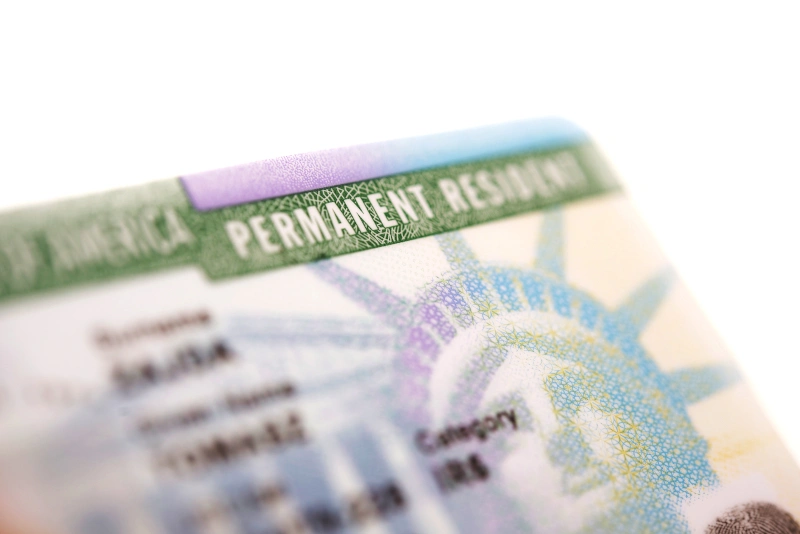
U.S. Citizen vs. Permanent Resident
The biggest difference lies in security and stability. A citizen cannot be deported, whereas a permanent resident could lose their Green Card if they commit certain crimes or remain outside the country for extended periods. Citizenship also makes international travel easier, as a U.S. passport offers more advantages than a Green Card.
How to Obtain Residency and Citizenship in the United States
There are several paths to each status, and each process has specific requirements.
Basic Requirements for Permanent Residency
The most common ways to obtain a Green Card include family sponsorship, a job offer, asylum, or the Diversity Visa lottery. All options require submitting documentation, passing background checks, and meeting eligibility criteria.
Naturalization Process for Citizenship
A permanent resident can apply for citizenship after completing the minimum residency period (generally five years, or three if married to a U.S. citizen). The process includes an English and civics test, an interview, and an oath of allegiance to the United States.
Which Option Makes Sense Based on Your Immigration Goals
Deciding whether to remain a permanent resident or take the step toward citizenship depends on each individual’s personal and professional objectives. Permanent residency provides stability for living and working, while citizenship grants full rights and definitive security within the United States.
Understanding these distinctions allows for better planning of your immigration future and helps you make well-informed decisions.
At Global Express Recruiting, you can rely on a team that guides you in determining which alternative best fits your profile and aspirations, and in preparing your process with greater clarity and organization. Being aware of these differences enables you to better plan your immigration path and make informed choices.



Get in touch with us, we can help you with any visa